
The introduction of the Cyber Security and Resilience Bill marks a significant shift in how the United Kingdom approaches digital defence and operational continuity. As businesses increasingly rely on digital infrastructure, understanding this new legislative framework is essential for small and medium enterprises (SMEs) aiming to thrive securely. At ITERTECH, we deliver stress-free IT solutions designed for SMEs, helping you navigate these new regulatory requirements without the unnecessary complexity.
Your Key Takeaways
Topic |
Key Insight |
|---|---|
Legislative Scope |
The Cyber Security and Resilience Bill expands existing regulations to cover more digital services and infrastructure, including managed service providers and data centres. |
Compliance Focus |
It mandates robust incident reporting, information sharing and adherence to strategic priorities set by the government. |
SME Impact |
Even if not directly regulated, SMEs must align with the security standards of their larger, regulated partners to maintain supply chain contracts. |
Enforcement |
The bill introduces strict cost recovery mechanisms and enforcement powers to ensure compliance. |
Preparation Strategy |
Adopting a risk-based perspective and implementing layered protection is the most effective way to prepare for these new regulations. |
Business Continuity |
The legislation emphasises resilience, meaning businesses must have tested plans to maintain operations during a cyber incident. |
Understanding the Core of the Cyber Security and Resilience Bill
The biggest change to be aware of is SMEs now require a proactive rather than reactive approach to security. The summary of the Cyber Security and Resilience Bill outlines a modern framework designed to protect the UK’s critical infrastructure and digital services. It builds upon the existing Network and Information Systems (NIS) regulations, broadening the scope to address emerging technologies and evolving cyber threats.
This legislation is not merely a set of rules to follow. It is a fundamental shift towards embedding resilience into the fabric of the UK’s digital economy. The government has recognised that as our reliance on digital services grows, so does the potential impact of a significant cyber attack.
The Primary Objectives of the Legislation
The main goal is to ensure that organisations providing essential services have appropriate measures in place to manage cyber risks. The approach is not to secure everything blindly with the best technology available, but to understand the enterprise security challenges from a risk-based perspective.
By expanding the scope of who is considered a relevant entity, the bill ensures that more of the supply chain is held to a higher standard. You can view the full collection of Cyber Security and Resilience Bill documents on the official government website for a comprehensive overview.
Who Does the Cyber Security and Resilience Bill Apply To?
One of the most significant changes introduced by the Cyber Security and Resilience Bill is the expansion of regulated entities. The government has recognised that threats do not respect traditional sector boundaries. Therefore, the legislation now encompasses a broader range of organisations that handle critical data or provide essential digital functions.
Relevant Managed Service Providers
Managed Service Providers (MSPs) are a critical component of the UK’s digital infrastructure. They manage IT environments for thousands of businesses, meaning a compromise at an MSP can have a cascading effect. The bill introduces specific requirements for relevant managed service providers to ensure they have robust security measures in place.
As an MSP ourselves, we understand the weight of this responsibility. When your team works from home, their laptops, tablets and phones are the new perimeter. The legislation expects MSPs to secure this new perimeter effectively, providing peace of mind to the businesses that rely on them.
For SMEs, this means you can have greater confidence in your IT partners. If your MSP is compliant with the Cyber Security and Resilience Bill, they are operating under stringent regulatory oversight. This move instils confidence and gives peace of mind, ensuring that your MSP’s security is managed effectively and just as importantly, they can manage your SME’s security too.
Relevant Digital Service Providers
The bill also extends its reach to relevant digital service providers. These are companies that provide online marketplaces, search engines and cloud computing services. The goal is to ensure that the platforms businesses rely on daily are resilient to cyber attacks.
If your business uses cloud services, this legislation works in your favour. It forces providers to maintain high security standards, protecting your data and ensuring service availability. This is a crucial step in maintaining a stable, reliable IT environment for your operations.
Why This Matters for SMEs Not Directly Regulated
You might be wondering why the Cyber Security and Resilience Bill matters if your SME is not directly regulated. The answer lies in the supply chain. Regulated entities will be required to ensure their suppliers meet specific security standards.
If you provide services to a larger, regulated organisation, they will expect you to demonstrate a similar level of cyber maturity. If you’re an SME utilising an MSP for your IT Support, understanding the managed vs break fix model is crucial here. A managed service approach provides the proactive monitoring and compliance reporting needed to satisfy these supply chain requirements.
Protecting Critical Infrastructure Under the Cyber Security and Resilience Bill

The Cyber Security and Resilience Bill introduces expanded regulations to protect critical services and modernise the UK’s cyber defences.
Critical infrastructure forms the backbone of the UK economy. From energy grids to healthcare systems, the continuous operation of these services is paramount. The Cyber Security and Resilience Bill introduces targeted measures to safeguard these vital assets.
Data Centres and Their New Responsibilities
Data centres are the physical homes of our digital lives. They store the data that powers businesses, public services and personal communications. The new legislation places data centres under specific regulatory requirements.
These requirements focus on physical security, environmental controls and cybersecurity measures. The aim is to prevent outages that could have a widespread impact. For SMEs using colocation or cloud services, this means your data is stored in facilities that are legally obligated to maintain high resilience standards.
Large Load Controllers and Energy Security
An interesting inclusion in the bill is the regulation of large load controllers. These are systems that manage significant energy consumption, such as those used in large manufacturing or industrial settings. A cyber attack on these systems could cause physical damage or significant disruption to the energy grid.
By bringing these controllers under the regulatory umbrella, the government is closing a significant security gap. It ensures that the operational technology (OT) used in critical industrial processes is protected with the same rigour as traditional IT systems.
Designating Critical Suppliers
The government also gains the power of designating critical suppliers. This means that specific suppliers, even if they are not traditional infrastructure providers, can be brought into scope if their services are deemed critical to the UK’s resilience.
This is a new approach to digital regulation. It allows the government to respond quickly to new dependencies in the digital supply chain. If your business becomes a critical supplier, you will need to be prepared to meet the standards set out in the Cyber Security and Resilience Bill.
The Importance of Layered Protection
Navigating the requirements of the Cyber Security and Resilience Bill requires a multi-faceted security posture. No single tool can protect against every threat. This is why the government is advocating for a layered protection strategy. If you’re in the aviation industry, you may already be familiar with this as the “Swiss Cheese model”
Layered protection involves implementing multiple security controls at different points in your IT environment. If one layer fails, others are in place to stop an attacker. This approach is fundamental to building resilience.
Network Security as the Foundation
Your network is the gateway to your data. Strong network security protects company data from theft and misuse. It involves firewalls, intrusion detection systems and secure access controls.
Proactive network security helps detect vulnerabilities early, reducing the risk of data breaches or downtime. It also supports compliance with data protection standards, a key component of the new bill.
Securing the Endpoint
With remote and hybrid work now standard, endpoints are more vulnerable than ever. Comprehensive endpoint security is crucial. This means protecting every laptop, tablet and phone that connects to your network.
By deploying advanced threat detection and response tools, we can reduce malware infections and unauthorised access attempts. This gives you the confidence of knowing every device is continuously protected and monitored in real time.
The Role of a Security Operations Centre
Monitoring your security systems can be a complex and resource-intensive task. A Security Operations Centre (SOC) provides round-the-clock monitoring and rapid response to protect your business from evolving cyber threats.
A SOC integrates with your existing security infrastructure to provide proactive defence. It uses Security Information and Event Management (SIEM) and Security Orchestration, Automation and Response (SOAR) technologies to detect and respond to threats before they cause damage. This human-focused approach ensures that expert analysts are always watching over your digital assets.
Incident Reporting Requirements in the Cyber Security and Resilience Bill
A key pillar of the new legislation is the mandate for incident reporting. The government needs visibility into the cyber threats affecting UK businesses to understand the national risk picture.
Regulated entities will be required to report significant cyber incidents to the relevant authority within a specific timeframe. This is not about assigning blame. It is about gathering intelligence and coordinating a national response to widespread threats.
What Constitutes a Reportable Incident?
A reportable incident is typically one that has a significant impact on the provision of services. This could include a ransomware attack that takes systems offline, a data breach that exposes sensitive information or a distributed denial of service (DDoS) attack that disrupts availability.
Understanding what needs to be reported is a critical part of compliance. This is where strategic advice from a knowledgeable IT partner becomes invaluable. We can help you define your incident response plan and establish the reporting protocols required by the Cyber Security and Resilience Bill.
The Cost of Downtime
The requirement to report incidents highlights a broader business truth: cyber incidents are expensive. Small businesses lose an average of £137 to £427 per minute during IT outages, which means even a two-hour failure can cost more than an entire month of managed service fees.
This stark reality makes the case for proactive security clear. Investing in resilience is not just about compliance with the Cyber Security and Resilience Bill. It is about protecting your bottom line and ensuring your business can continue to operate no matter what happens.
Strategic Priorities and Information Sharing Under the Bill
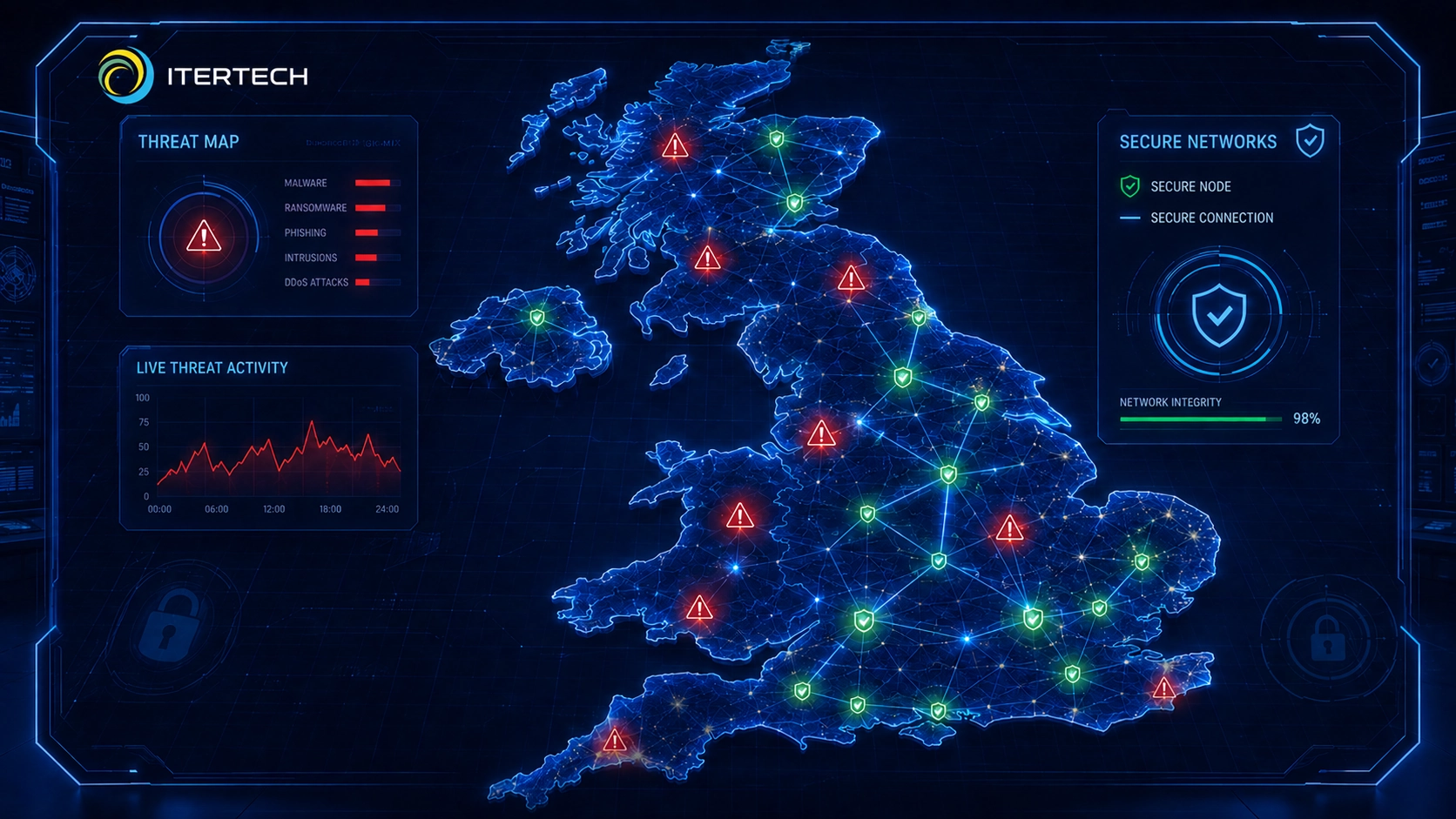
The Cyber Security and Resilience Bill is not just about rules and penalties. It also establishes a framework for collaboration between the government and the private sector. This is achieved through the statement of strategic priorities and provisions for information sharing.
Aligning with Strategic Priorities
The government will issue a statement of strategic priorities that outlines the key areas of focus for national cyber security. Regulators and regulated entities are expected to have regard for these priorities when making decisions about security investments.
For SMEs, this provides valuable insight into the threat landscape. By understanding what the government considers most critical, you can align your own security strategy with national goals. This helps ensure your investments are focused on the most relevant threats.
The Power of Information Sharing
The bill includes measures to facilitate information sharing between the government and regulated entities. This means that threat intelligence gathered by the government can be shared with businesses to help them defend against specific attacks.
Conversely, the incident reports submitted by businesses feed into this national intelligence picture. This collaborative approach is essential for staying ahead of sophisticated cyber criminals. It creates a cycle of learning and improvement that benefits the entire UK digital ecosystem.
Cost Recovery and Enforcement Mechanisms of the Bill
To ensure the legislation has teeth, the Cyber Security and Resilience Bill includes provisions for cost recovery and enforcement. These mechanisms are designed to ensure that regulators have the resources they need and that non-compliance has real consequences.
Understanding Cost Recovery
Cost recovery means that the costs associated with regulating the bill can be recovered from the regulated entities. This could include the costs of audits, inspections and enforcement actions. This ensures that the regulatory system is self-funding and does not place a burden on the taxpayer.
For businesses, this means that the cost of non-compliance extends beyond potential fines. You may also be billed for the regulator’s time if they need to investigate a breach or enforce compliance. This makes proactive compliance a much more cost-effective strategy.
Enforcement Powers
The bill grants regulators significant enforcement powers. These can include issuing compliance notices, conducting audits and imposing financial penalties for failures to meet security standards or report incidents. The severity of the penalties will reflect the severity of the breach and the level of negligence.
The goal of enforcement is not to punish businesses but to drive better security behaviour. However, the threat of significant financial penalties certainly focuses the mind. This is why taking a proactive approach to the Cyber Security and Resilience Bill is so important.
Preparing Your SME for the Cyber Security and Resilience Bill with ITERTECH
Preparing for new legislation can feel overwhelming. But it does not have to be. With the right partner, achieving compliance can be a straightforward, stress-free process. At ITERTECH, our mission is to create a reliable, secure and human-focused IT partner for UK businesses.
Our approach is not to secure everything blindly with the best technology available, but to understand the enterprise security challenges from a risk-based perspective. We work with you to understand your specific risk appetite and business exposures, tailoring our services to meet your needs.
Comprehensive Cyber Security Services
We offer a full suite of cyber security services designed to help you meet the requirements of the new bill. This includes everything from Cyber Essentials Plus certification to ISO 27001 compliance support and virtual CISO services.
Our local expertise in Surrey ensures proactive security for small to medium enterprises. We provide tailored security strategies that protect your data, systems and operations from evolving online threats.
Digital and Data Security
Protecting your data is a core requirement of the Cyber Security and Resilience Bill. Our digital security services address hidden vulnerabilities businesses overlook. We deliver encryption, access control, cloud backup, data loss prevention and DPO support.
This is complemented by our data security services, which help organisations implement data protection strategies and governance. We provide the solutions needed for compliance and to protect data integrity.
Vulnerability Scanning and Security Training
To stay ahead of threats, you need to know where you are vulnerable. Our vulnerability scanning service pinpoints hidden flaws in networks, servers and applications that could be exploited by cybercriminals. Regular scanning closes these gaps, improving resilience and supporting compliance.
However, technology alone is not enough. Human error is a leading cause of security incidents. Our security training helps employees recognise and prevent online threats. It builds awareness of phishing, malware and password risks through accessible, engaging lessons.
Business Continuity and Resilience Under the New Legislation
The word “Resilience” in the Cyber Security and Resilience Bill is key. The legislation does not just expect you to prevent attacks. It expects you to be able to recover from them quickly. This requires a strong focus on business continuity.
Developing a Robust Business Continuity Plan
A business continuity plan ensures essential services, systems and communications remain operational during and after a crisis. It helps sustain operations and protect revenue during disruptions. Our approach integrates planning with technology to minimise downtime and maintain services.
This is not just a document to be filed away. A business continuity plan must be tested and updated regularly to be effective. It should outline clear roles and responsibilities, communication protocols and recovery procedures.
The Role of Disaster Recovery
When a crisis hits, you need to be able to restore your systems and data quickly. Disaster recovery protects your business from unexpected disruptions. With the right plan, your data and systems can be restored quickly, minimising downtime in the event of a major outage or cyber attack.
We use proven methods and the latest technology to secure important information and maintain business continuity. This includes establishing Recovery Point Objectives (RPO) and Recovery Time Objectives (RTO) that align with your business needs. Disaster recovery plans can help you stay compliant and reduce downtime.
How to Choose the Right Cyber Security Partner in 2026
The Cyber Security and Resilience Bill raises the bar for security standards. Meeting these standards on your own can be a significant challenge for an SME. This is why choosing the right IT partner is one of the most important technology decisions you can make right now.
Look for a Proactive Approach
The traditional break-fix model is no longer sufficient. You need a partner who is proactive rather than reactive. They should be constantly monitoring your systems, identifying potential threats and addressing vulnerabilities before they can be exploited.
This proactive stance is at the heart of the managed service model. It aligns perfectly with the requirements of the Cyber Security and Resilience Bill, which expects continuous monitoring and improvement of security measures.
Seek a Human-Focused Partner
Technology is important, but security is ultimately a human challenge. Look for a partner who is human-focused. They should take the time to understand your business, your culture and your specific risks.
A good partner will not just sell you tools. They will provide strategic advice and help your team understand their role in keeping the business secure. This collaborative approach removes complexity and gives peace of mind.
Verify Their Compliance
If you are relying on an MSP to help you meet the requirements of the Cyber Security and Resilience Bill, you need to be sure they are compliant themselves. Ask about their own security certifications, their incident response plans and how they handle data.
Remember that the bill places specific requirements on relevant managed service providers. Working with an MSP that takes these requirements seriously ensures that you are benefiting from a secure, well-managed infrastructure.
Embracing Emerging Technologies Responsibly
The tech world never stands still. As you prepare for the Cyber Security and Resilience Bill, it is also worth looking at the future. Below we look at possible future IT trends over the next five years and how they can change the information technology landscape.
Artificial Intelligence and Security
Artificial Intelligence (AI) is poised to play a significant role in both attacking and defending digital systems. Attackers are using AI to create more convincing phishing emails and to automate attacks. Defenders are using AI to detect anomalies and respond to threats at machine speed.
For SMEs, this means your security tools need to be AI-enabled to keep pace with the threat landscape. A modern Security Operations Centre will leverage AI to filter out noise and highlight genuine threats, making your security team more efficient.
Edge Computing and the New Perimeter
Edge computing brings data processing closer to the source of data. This can improve performance but also creates new security challenges. Every edge device is a potential entry point for an attacker.
Securing the edge requires a shift in thinking. It reinforces the idea that the traditional network boundary no longer exists. Your security strategy must be flexible enough to protect data wherever it lives and however it is accessed.
The Continued Importance of the Cloud
Cloud adoption will only continue to grow. The good news is that major cloud providers are already subject to high levels of scrutiny and are likely to be covered by the Cyber Security and Resilience Bill as digital service providers.
However, the shared responsibility model means you are still responsible for securing what you put in the cloud. This includes access controls, data encryption and configuration. A knowledgeable IT partner can help you navigate these responsibilities.
Building Long-Term Cyber Resilience
The Cyber Security and Resilience Bill represents a crucial step forward in protecting the UK’s digital economy. While it introduces new obligations, it also provides a clear framework for building robust, resilient digital operations. For SMEs, the path to compliance lies in adopting a risk-based perspective and implementing layered protection.
By focusing on proactive security, business continuity and human-focused training, your business can not only meet the requirements of the legislation but also strengthen its overall resilience. At ITERTECH, we are here to guide you through this transition. Our mission is to create a reliable, secure and human-focused IT partner for UK businesses, ensuring you can thrive securely in an increasingly complex digital world.
Frequently Asked Questions
What is the main purpose of the Cyber Security and Resilience Bill?
The main purpose of the Cyber Security and Resilience Bill is to expand and modernise the UK’s cyber security regulations. It aims to protect critical infrastructure and digital services by ensuring organisations have robust measures to prevent, respond to and recover from cyber attacks.
Does the Cyber Security and Resilience Bill apply to small businesses?
While the bill primarily targets large, critical infrastructure providers and managed service providers, SMEs are indirectly affected. If your business is part of the supply chain for a regulated entity, you will likely be expected to meet similar security standards to maintain your contracts.
What are the penalties for non-compliance with the Cyber Security and Resilience Bill?
The bill grants regulators significant enforcement powers, including the ability to issue financial penalties for non-compliance. The exact penalties will depend on the severity of the breach and the level of negligence, but they are designed to be substantial enough to drive better security behaviour.
How does the Cyber Security and Resilience Bill affect managed service providers?
The bill places specific regulatory requirements on relevant managed service providers due to their critical role in the digital supply chain. MSPs must implement robust security measures, report significant incidents and comply with cost recovery and enforcement mechanisms.
What is the difference between the NIS regulations and the new bill?
The Cyber Security and Resilience Bill builds upon the existing NIS regulations by expanding the scope of who is regulated. It includes new entities like data centres and large load controllers and it introduces stronger powers for regulators regarding incident reporting, information sharing and enforcement.
How can an SME prepare for the Cyber Security and Resilience Bill?
SMEs can prepare by adopting a risk-based security approach. This includes implementing layered protection, securing endpoints, developing a business continuity plan and providing security training to staff. Partnering with a compliant, proactive managed service provider is a highly effective way to achieve this.
Is the Cyber Security and Resilience Bill relevant for businesses in 2026?
Yes, in 2026 the Cyber Security and Resilience Bill is a key piece of legislation shaping the UK’s digital defence strategy. Businesses are actively working to align their security practices with its requirements to ensure compliance and build long-term resilience against evolving cyber threats.